

Tag Archive for: Gambling Regulation

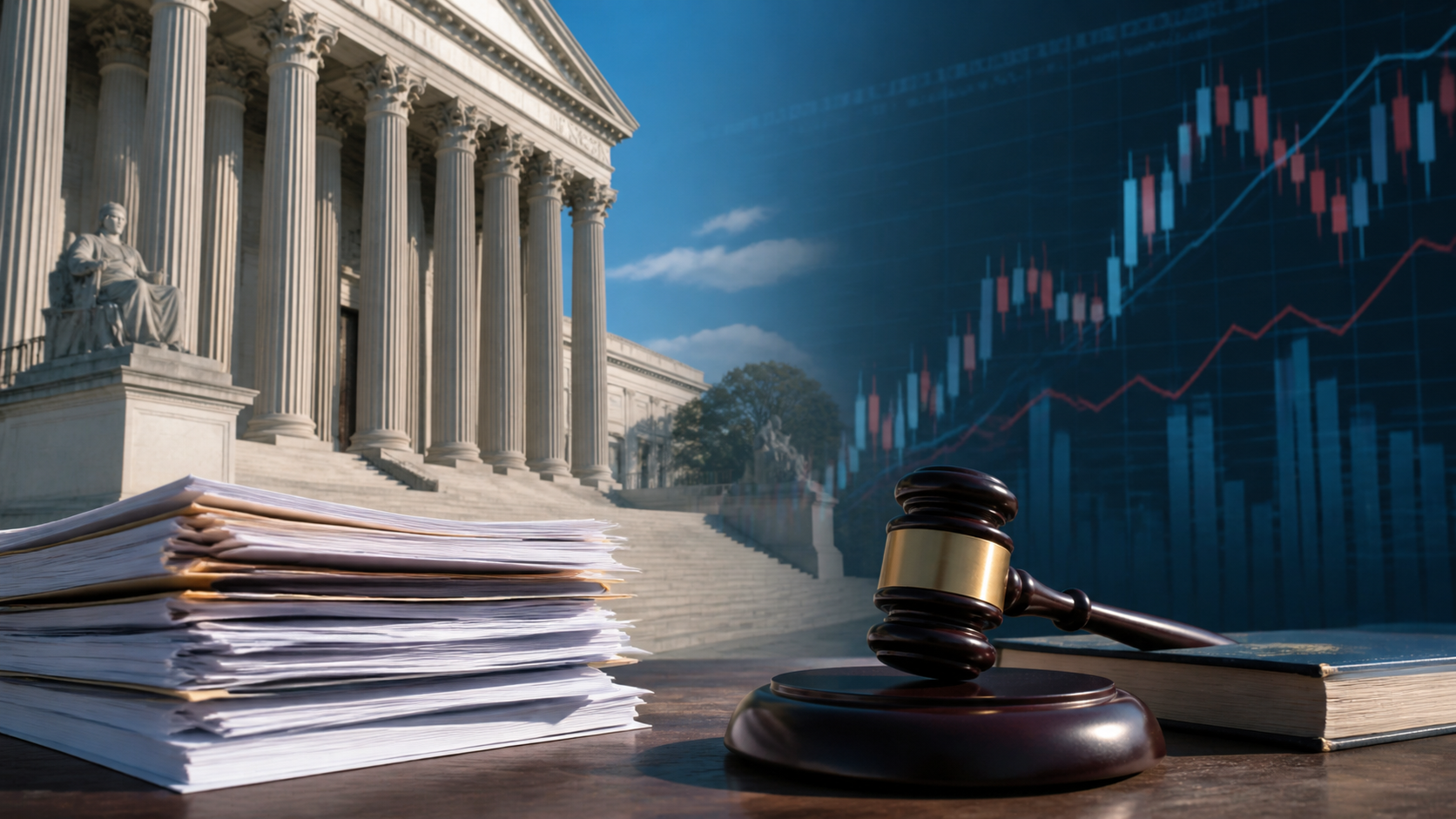
Kalshi New York court order editorial illustration

Kalshi New York Court Order Dispute Draws CFTC Criticism

Kalshi New York Court Order Dispute Draws CFTC Criticism

Kalshi New York court order is back in focus for US gambling readers after CFTC criticized for ordering Kalshi to defy New York court order highlighted a development published on Thu, 27 Aug 2026 00:27:20 +0000. The underlying facts are specific to this story, but the broader market question is familiar: how should operators, regulators, investors, and everyday customers interpret change in a market where casino economics, wagering policy, technology, and consumer protection all move at different speeds?

What happened

CDC Gaming Reports examined criticism of the Commodity Futures Trading Commission after reporting that the agency ordered Kalshi to defy a New York court order. The story presents an active dispute involving a prediction-market company, federal oversight, and state authority.

  • The report concerns Kalshi and a New York court order.
  • The criticism is directed at the CFTC’s reported instruction to Kalshi.
  • The source describes an active legal and regulatory dispute, not a final nationwide ruling.

The original report matters because it gives a dated source trail instead of rumor alone. In this case, the clearest takeaway is not simply the headline number or the headline conflict. It is the way the update fits into the current US casino and wagering landscape, where state-by-state rules, operator strategy, and consumer expectations can push the same type of news in very different directions.

Why Kalshi New York court order matters now

the Kalshi New York court order dispute shows why prediction-market access can depend on the interaction between federal authority, state enforcement, and court decisions. That makes Kalshi New York court order a useful lens for readers tracking Kalshi New York dispute, prediction market regulation, CFTC oversight. A single earnings update, regulatory move, or partnership discussion rarely changes the whole industry by itself, but it can reveal where capital, enforcement, and customer attention are heading next.

It also helps to keep the timeline straight. This source story is dated Thu, 27 Aug 2026 00:27:20 +0000, not a historical case study. That means readers should distinguish confirmed facts from follow-on speculation, especially where legislation, partnerships, or future revenue implications are concerned. In a fast-moving market, precision matters more than hype.

What operators, regulators, and consumers should watch

Operators will read this kind of news through margins, product mix, and long-term positioning. Regulators will focus on legality, disclosure, compliance, consumer harm, and whether the public record is clear enough to support oversight. Consumers should read it more practically: what product is actually being offered, which authority is relevant, what limits or rules apply, and whether the story changes the real-world experience of gambling customers today.

Those practical questions become clearer when readers compare the original report with supporting material such as CFTC criticized for ordering Kalshi to defy New York court order, Commodity Futures Trading Commission, National Council on Problem Gambling. On the destination site, related coverage including Treasure Island Casino Minnesota Names Mike Heavner General Manager, How Bill Hornbuckles Leadership at the U.S. Travel Association Impacts Casino Resorts – 10BET, Louisiana Casino Revenue Rises as July Gaming and Sports Betting Stay Active adds context about how the same themes have appeared in other casino and betting stories. Those links are for context, not endorsement, and they help show how this one development connects to wider US gambling coverage.

What comes next

Readers should follow the CFTC, New York court records, and later filings for confirmed procedural developments. For that reason, the most responsible interpretation is a measured one. Readers should expect more reporting, follow the relevant regulator or operator, and avoid treating an initial report as the final word when legal status, implementation, or commercial impact may still evolve.

That is especially true in casino and betting coverage because the stakes extend beyond revenue headlines. Product access, state legality, tax collections, responsible-gambling systems, and public trust all matter. A strong article keeps the original source visible, adds authoritative context, and avoids inventing claims that the source did not actually make.

FAQ

Does this update change gambling rules everywhere in the United States?

No. Casino and betting rules remain heavily shaped by state law, tribal compacts, licensing conditions, and regulator guidance. A development in one jurisdiction or company does not automatically apply nationwide.

What should readers verify before acting on this kind of news?

Check the original source, confirm the date, identify the relevant regulator or operator, and review any official terms or legislative text before treating the story as settled.

How can gambling stay recreational?

Set a budget before you play, avoid chasing losses, take breaks, and treat gambling as entertainment rather than income. If it stops feeling manageable, reach out to a qualified support service.

Responsible gambling: Gambling involves risk and is not a guaranteed way to make money. Only play where legal, use funds you can afford to lose, and seek help if gambling is affecting your finances, relationships, or wellbeing.

Original source: CFTC criticized for ordering Kalshi to defy New York court order. Authoritative supporting links: CFTC criticized for ordering Kalshi to defy New York court order, Commodity Futures Trading Commission, National Council on Problem Gambling.

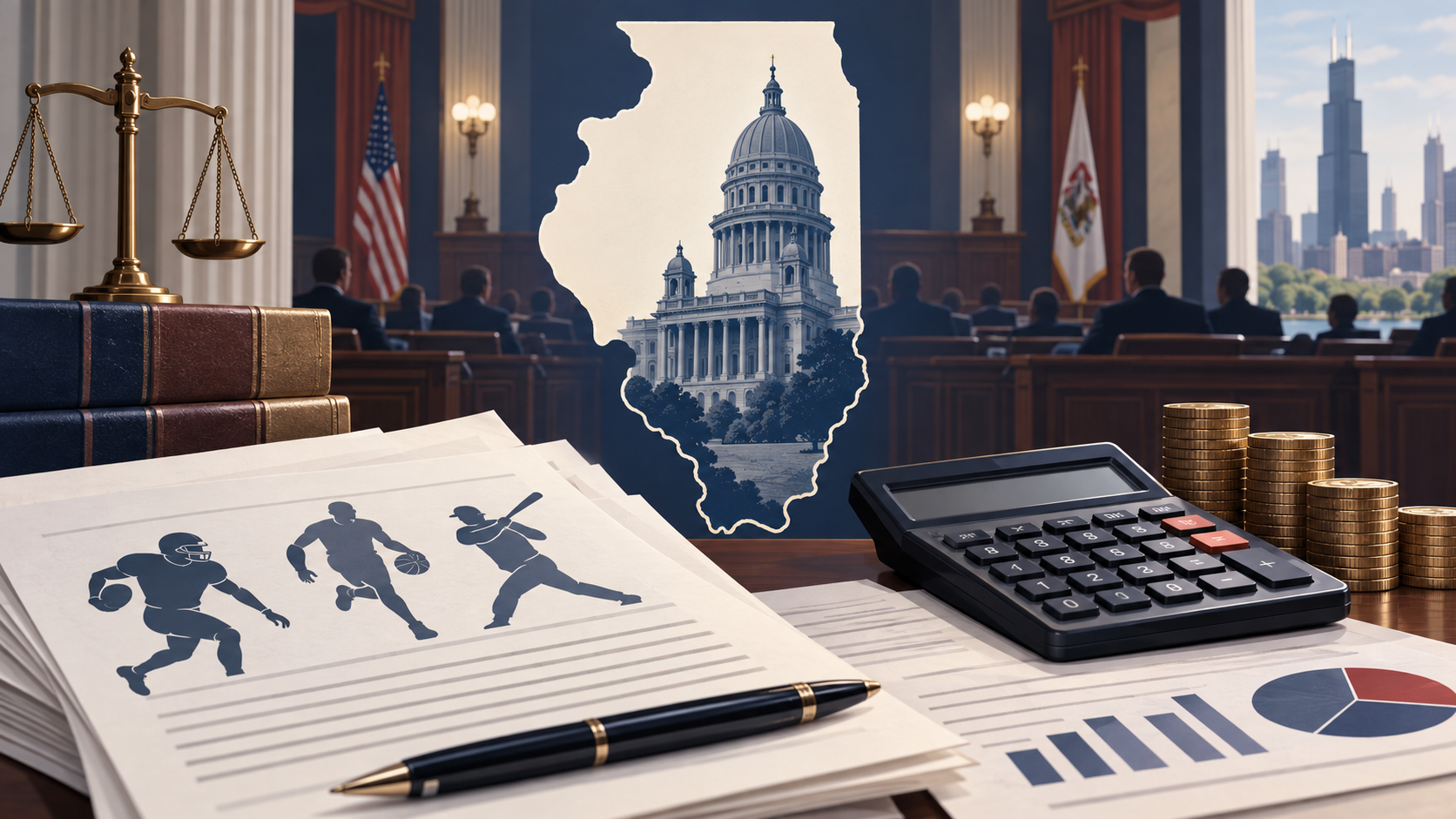
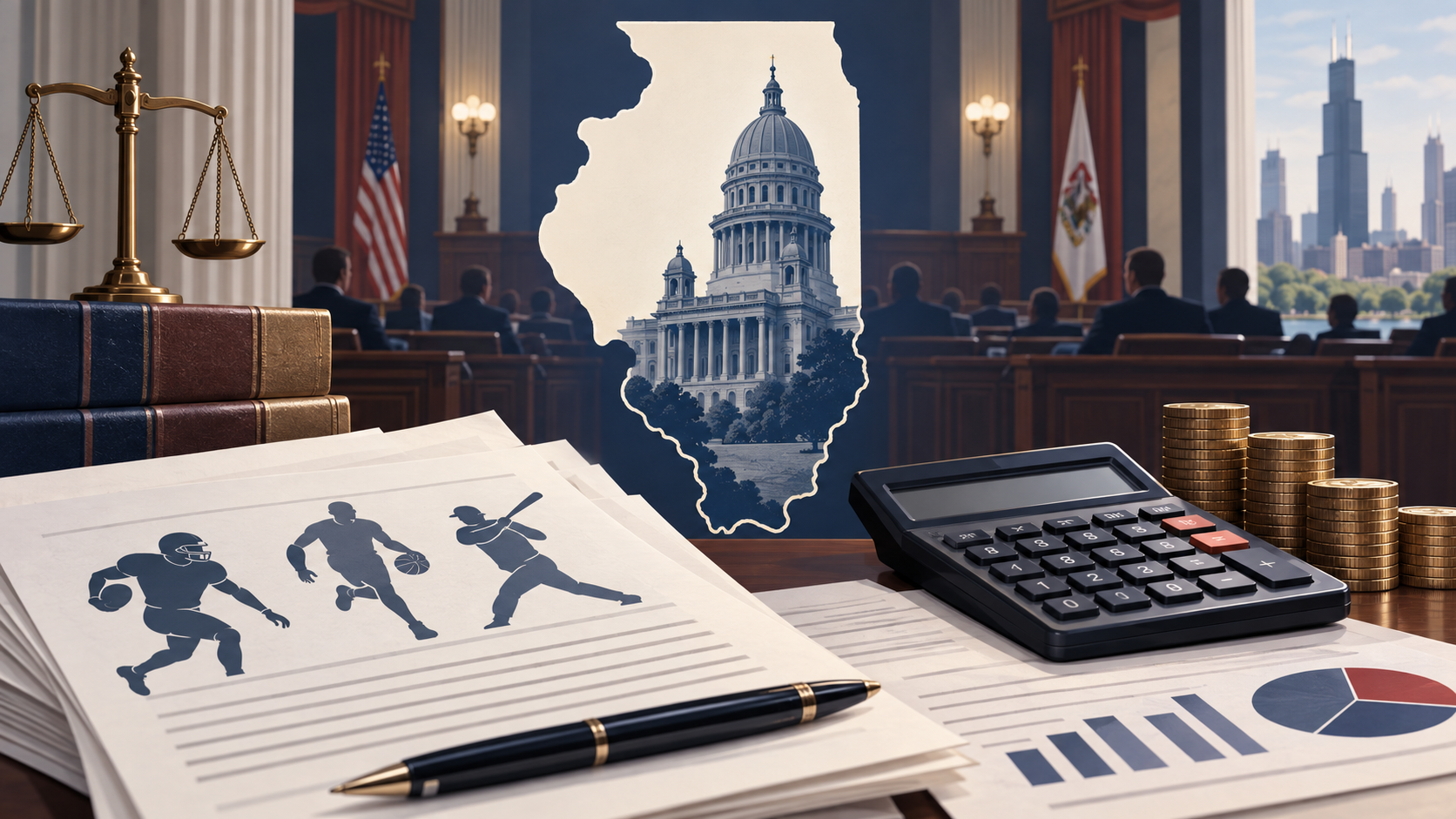
state licensed betting platforms editorial news image

State-Licensed Betting Platforms: Why the IRS Reminder Matters

State-Licensed Betting Platforms: Why the IRS Reminder Matters

state licensed betting platforms is in focus for U.S. readers after IRS Urges Public to Stick With State-Licensed Betting Platforms reported a development connected to a Casino.org report on an IRS reminder that Americans should use state-licensed sportsbooks when they gamble. This original briefing keeps the source visible, separates reported facts from analysis, and avoids treating a headline as a promise, legal conclusion, or betting recommendation.

What happened

a Casino.org report on an IRS reminder that Americans should use state-licensed sportsbooks when they gamble. The source was published on 2026-08-14T08:30:19-05:00. Its subject sits inside a U.S. market where casino resorts, tribal governments, suppliers, regulators, entertainment venues, and consumers can be affected by the same announcement in different ways.

Key facts from the report

  • The report described a dispute over whether sports prediction markets should be treated as gambling or federally regulated financial products.
  • State attorneys general have argued that sports prediction markets are illegal gambling, while the CFTC maintains that the products it oversees are financial contracts.
  • The IRS reminder was presented as a consumer-facing warning ahead of the busy football season.
  • The report said tax treatment for prediction-market winnings remained unclear while ordinary gambling winnings still have reporting obligations.

The original report provides the detail and publication context for these points. Readers should open it for the full wording, updates, corrections, and any documents linked by the source. This article summarizes the development in original language rather than reproducing the source.

Why state licensed betting platforms matters

The practical takeaway is that a familiar sports-style interface does not answer the legal question. Consumers need to know which regulator, license, tax rule, and state restriction applies to the exact product they are considering.

One reason to read this story carefully is that U.S. gambling is not governed by a single nationwide playbook. State laws, tribal arrangements, licensing, court orders, tax treatment, business contracts, and consumer-protection rules can all change what a development means in practice. A company announcement, an analyst view, an allegation, a scheduled event, and a completed action are different kinds of information.

Natural secondary phrases for readers exploring this topic include legal sports betting sites, sports prediction markets, IRS gambling rules. They are related search language, not additional claims. Search demand does not establish legality, profitability, safety, or the likelihood of a particular outcome. Those questions need current official information and, where appropriate, professional advice.

What operators, regulators, and consumers should watch

Operators will likely focus on execution, costs, customer response, compliance, staffing, technology, and the effect on the wider property or market. Regulators and public agencies will focus on jurisdiction, evidence, disclosure, licensing, privacy, public safety, and whether the people affected can understand the terms. Consumers should verify who is responsible for a product or service, whether it is legal where they are located, what limits apply, and what happens if plans change.

For related destination-site context, readers can review New Jersey Considers Changes to Online Gambling Taxes for Gaming and Sports Betting | 10BET, Sports Betting Impact: Fresno State Basketball Scandal Probes Player Underperformance | 10BET, WNBA betting handle rises as the playoff race tightens. These internal links are included as related reading, not endorsements of an operator, product, investment, promotion, or wager. Authoritative supporting information is available from IRS Topic 419: Gambling Income and Losses and Commodity Futures Trading Commission.

What comes next

Consumers should follow official IRS, state regulator, and platform updates rather than relying on promotional language or assumptions about federal oversight. Follow-up reporting may add facts that were unavailable when the source article was first published. That is especially important for acquisitions, legal disputes, event schedules, security certifications, financial figures, health-related cancellations, and tax estimates. Keep the publication date visible and do not treat an initial report as the final word.

A measured reading also protects consumers from hype. Revenue is not profit, a forecast is not a guarantee, a price is not a probability, an allegation is not a judgment, a donation is not a promotion, and a headline prize is not necessarily the amount received. Those distinctions help readers make better decisions even when the news is exciting.

FAQ

Does this update change gambling rules everywhere in the United States?

No. The effect depends on the jurisdiction, the organization involved, the product or activity described, and the latest official rules. A development in Nevada, Illinois, Oklahoma, or another market does not automatically apply nationwide.

What should readers verify before acting on the news?

Check the original source, the publication date, the relevant regulator or organization, current terms, and whether the information is a proposal, opinion, estimate, allegation, scheduled event, or completed action.

How can gambling stay recreational?

Set a budget and time limit before you begin, avoid chasing losses, and take a break if gambling stops feeling enjoyable. Do not borrow money or use funds intended for essentials. If gambling becomes difficult to control, seek confidential help from a qualified support service.

Responsible gambling: Gambling involves risk and is not a way to make guaranteed income. Only participate where legal, use money you can afford to lose, set limits in advance, avoid chasing losses, and seek qualified support if gambling affects your finances, relationships, or wellbeing.

Original source: IRS Urges Public to Stick With State-Licensed Betting Platforms from Casino.org News. Authoritative supporting links: IRS Topic 419: Gambling Income and Losses and Commodity Futures Trading Commission.