

Las Vegas Casinos: Exclusive Zero Bond Membership Opens at Wynn | 10BET
Join the Ultimate Social Club: Zero Bond Opens Applications for Exclusive Las Vegas Casinos Access
As the city’s luxury landscape evolves, Las Vegas casinos are preparing to host an even more elite tier of entertainment with the arrival of the citys first members-only social club. Zero Bond, inspired by its prestigious New York City counterpart, has begun accepting membership applications for its second location at Wynn Las Vegas. This expansion brings a new level of sophistication to the world of Las Vegas casinos, catering to a discerning clientele of high-net-worth individuals and celebrities, including prominent figures such as Taylor Swift, Elon Musk, Kim Kardashian, Leonardo DiCaprio, Bradley Cooper, Bill Clinton, Pete Davidson, and Jennifer Lopez.
The concept of Zero Bond originated in New York City, founded by Scott Sartiano and Will Makris in October 2020. Its initial home was a lavish 20,000 square-foot Victorian-Gothic mansion on O Bond Street in Manhattan. The club emphasizes a high standard of integrity and a commitment to community contribution among its members. This philosophy is reflected in the exclusive membership process, which is intentionally selective.
Who Can Become a Member?
Membership at Zero Bond isn’t for the faint of heart – or those on a modest budget. The annual dues start at $2,750, with an initial $1,000 fee. While the club states its application committee doesn’t discriminate based on socioeconomic status, these costs effectively act as a barrier to entry for many.
The pricing structure varies based on age. Individuals under 28 can enjoy the annual membership for $2,750 plus the upfront fee. Those aged 45 and over face a higher annual cost of $4,400 (plus a $5,000 initial payment). For those seeking the ultimate level of exclusivity, a “founding membership” is available, requiring a substantial one-time investment of $50,000 alongside annual dues of $7,500.
A Unique Location: The Former Residence of a Las Vegas Icon
Interestingly, the very location of Zero Bond Las Vegas – a significant portion of the Wynn property – is somewhat ironic. Steve Wynn, the billionaire who founded the Wynn Las Vegas, would likely be ineligible for membership. His former private residence, known as the “Fairways Villa,” will now serve as a private clubhouse for general members.
The Fairways Villa, a 4,500 square-foot estate, will house fine dining experiences curated by Alfred Portale, a three-time James Beard Award winner. The adjacent Country Club Restaurant, which closed in 2018 following Wynn’s departure from the resort, will also be integrated into the club’s offerings.
Members will have access to The Salon, a private space designed for relaxed conversations and cocktails with like-minded individuals. A dedicated private valet service will provide direct access to the golf course, ensuring members avoid the crowds of public casinos.
Key Features & Facts about Zero Bond Las Vegas:
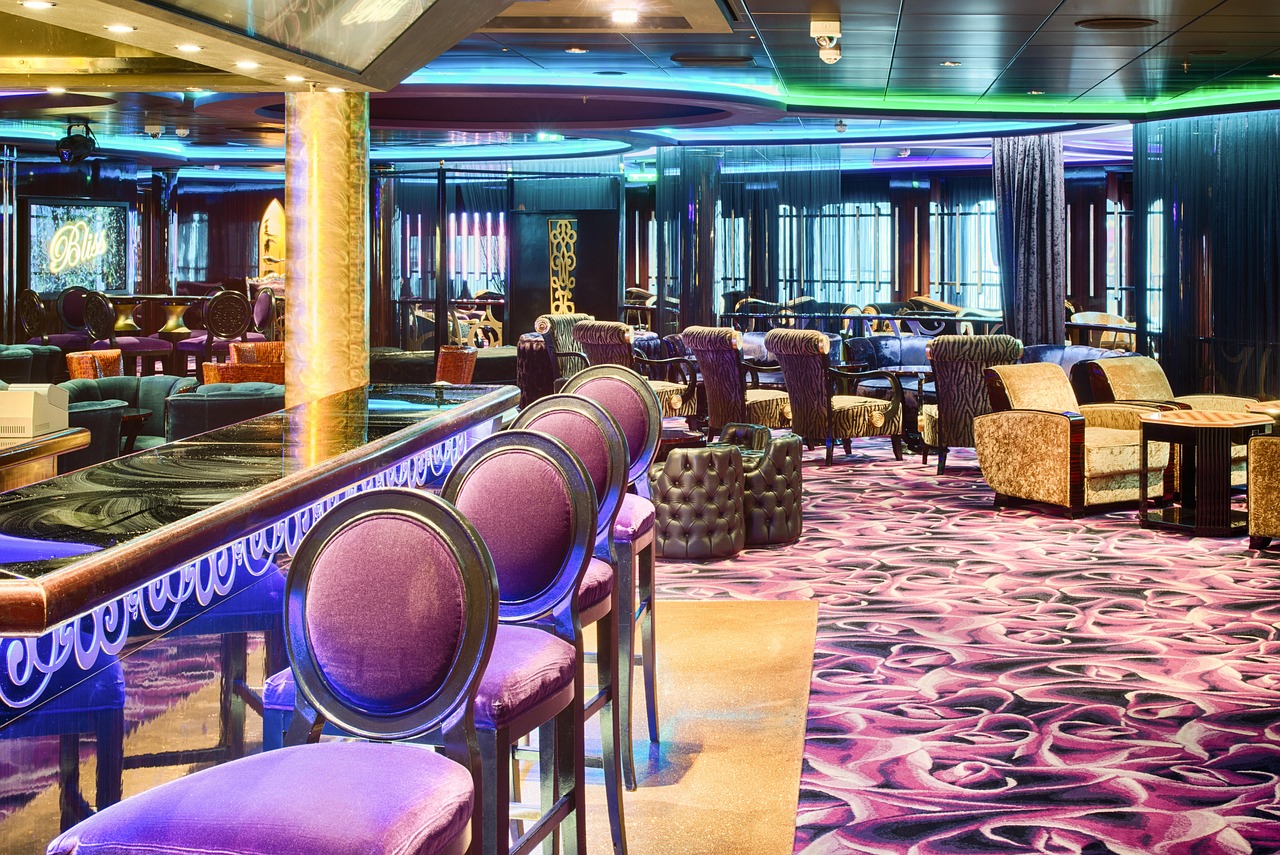
- Exclusive Membership: Highly selective application process focusing on integrity and community contribution.
- Prime Location: Utilizing the former residence of Steve Wynn within the Wynn Las Vegas resort.
- Fine Dining: Access to dining experiences curated by renowned chefs like Alfred Portale.
- Private Spaces: The Salon offers a secluded area for socializing.
- Convenient Access: Private valet service for direct golf course access, bypassing public areas.
To apply for membership at Zero Bond Las Vegas, interested individuals can visit zerobondwynn.com.
Conclusion
Zero Bond’s arrival in Las Vegas marks a new era of exclusive social clubs in the city. By offering a highly curated environment, unique amenities, and a prestigious location, Zero Bond aims to attract a specific clientele seeking connection and refined experiences. The club’s emphasis on integrity and community sets it apart from typical high-end establishments, promising a distinctive social landscape for the city’s elite. This expansion indicates a growing demand for private, members-only spaces catering to affluent individuals who value discretion and exclusivity.