


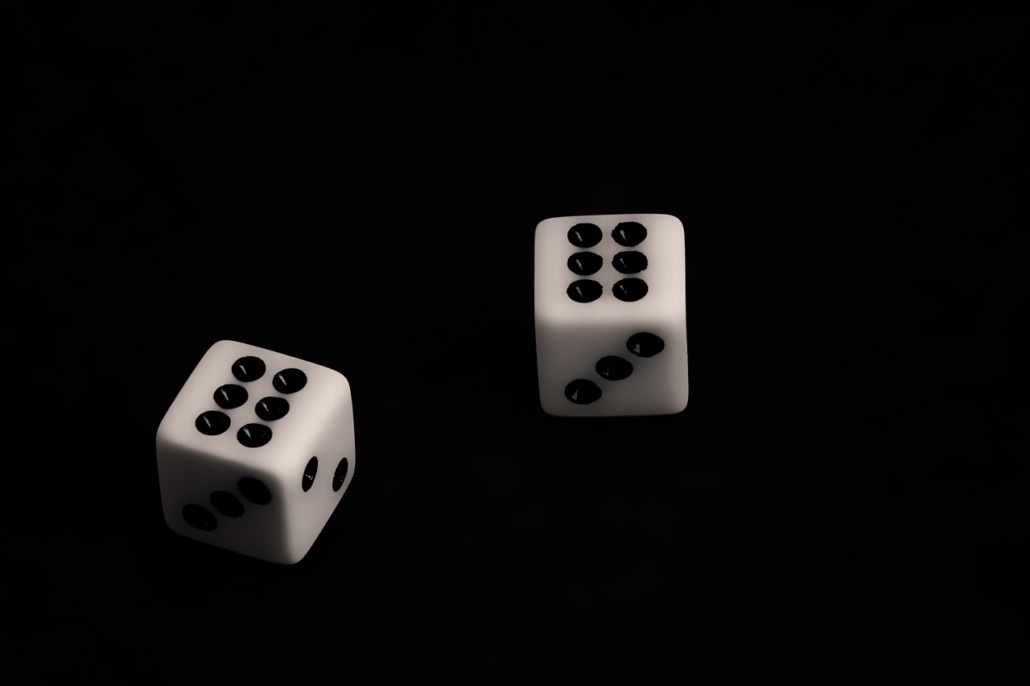
symbolism of dice – From Philosophy to the Casino Floor: The Symbolism and Thrill of Games of Chance
Introduction
Dice have been a part of human history for thousands of years, serving as tools for games of chance, but they carry deeper meanings that transcend their physical form. Dice have been a part of human history for thousands of years, serving as tools for games of chance, but they carry deeper meanings that transcend their physical form. In this article, we will explore the various symbolic interpretations of dice in philosophy and culture, and how they reflect broader human experiences.
The Origins of Dice
Dice are believed to date back to ancient civilizations, used in games and divination. The earliest known dice were excavated in India and date back to the 2nd century BCE. Understanding their origins helps illuminate how different cultures began to view randomness and fate.
Dice in Ancient Cultures
In many ancient cultures, dice were not merely instruments of gaming but were imbued with spiritual significance. For example, in the ancient Roman Empire, casting dice was often associated with the decisions of the gods. The randomness of a roll could be interpreted as divine will.
Philosophical Perspectives on Chance
Philosophers have long debated the implications of chance in life and decision-making. Dice, as symbols of chance, challenge deterministic views of the universe.
Existentialism and Absurdism
Existentialist thinkers like Albert Camus used the imagery of dice to discuss the absurdity of life and the randomness of existence. The act of rolling dice can be seen as a metaphor for the unpredictability of life itself, where outcomes are left to chance.
Dice and Decision-Making
In decision theory, using dice to make choices raises interesting questions about human agency and randomness.
The Influence of Randomness on Choices
When people use dice to make decisions, it can reflect a sense of helplessness or, conversely, a desire to embrace uncertainty. This duality highlights the complex relationship between control and chance.
Dice in Religious and Spiritual Contexts
Throughout history, dice have also found their place in religious rituals and practices.
Divination Practices
Many cultures have utilized dice for divination—seeking guidance from supernatural forces. This practice can be seen in the ancient Chinese game of Ke Fu, where the outcome of dice rolls often determined fortune and fate.
The Symbolism of Dice in Literature
Dice frequently appear in literature as symbols of fate and chance, adding depth to narratives.
Notable Literary Works
- In Shakespeare’s play, ‘Hamlet,’ dice symbolize the unpredictability of fate.
- In ‘The Dice Man’ by Luke Rhinehart, dice represent the existential choices we face, influencing the characters’ lives through random chance.

Modern Interpretations of Dice Symbols
In contemporary culture, dice continue to symbolize chance and decision-making, often seen in games, movies, and art.
Dice in Gaming Culture
With the rise of online gaming, the symbolism of dice has evolved but persists. Games that incorporate dice reflect themes of chance versus skill, attracting players who enjoy the unpredictability of outcomes.
Conclusion
Dice serve as a powerful metaphor in both philosophy and culture, representing the intricate dance between chance and fate. They prompt essential questions about free will, decision-making, and the nature of existence itself. As we continue to explore their symbolism, we gain insights into the human experience and our ongoing quest to understand the forces that shape our lives.
Frequently Asked Questions
What is the origin of dice?
Dice date back to ancient civilizations, primarily used in games and divination.
How are dice viewed in different cultures?
Many cultures imbue dice with spiritual significance and connect them to fate.
What does rolling dice symbolize?
Rolling dice symbolizes chance, unpredictability, and existential dilemmas.
{“@context”: “https://schema.org”, “@graph”: [{“@type”: “Article”, “name”: “The Symbolism of Dice”, “description”: “An exploration of the philosophical and cultural significance of dice.”, “author”: {“@type”: “Person”, “name”: “Author Name”}, “publisher”: {“@type”: “Organization”, “name”: “Publisher Name”}}, {“@type”: “FAQPage”, “mainEntity”: [{“@type”: “Question”, “name”: “What is the origin of dice?”, “acceptedAnswer”: {“@type”: “Answer”, “text”: “Dice date back to ancient civilizations, primarily used in games and divination.”}}, {“@type”: “Question”, “name”: “How are dice viewed in different cultures?”, “acceptedAnswer”: {“@type”: “Answer”, “text”: “Many cultures imbue dice with spiritual significance and connect them to fate.”}}, {“@type”: “Question”, “name”: “What does rolling dice symbolize?”, “acceptedAnswer”: {“@type”: “Answer”, “text”: “Rolling dice symbolizes chance, unpredictability, and existential dilemmas.”}}]}]}
Related guide: Play now

