

Philippines Removed From FATF Gray List: New Safeguards Against Casino Money Laundering to Boost Financial Transparency – 10BET

Philippines’ Removal From Global Money Laundering Gray List: What It Means for Global Investment and Casino Money Laundering Oversight

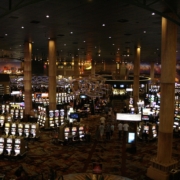
The image captures a government-owned casino located within a prominent Manila hotel, a setting that highlights the complex regulatory challenges faced by large-scale gaming institutions. As these facilities manage massive volumes of cash, they often become high-priority targets for oversight agencies attempting to prevent casino money laundering and ensure the integrity of the local economy.
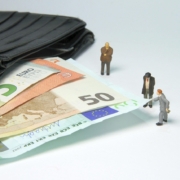
Money laundering
Image by wir_sind_klein from Pixabay

The Philippines has achieved a significant victory in its ongoing efforts to combat money laundering, officially removed from the Financial Action Task Force (FATF) gray list. This decision, following years of dedicated work to strengthen anti-money laundering (AML) measures, is poised to inject a much-needed boost into the nation’s economy and enhance its standing in the global financial community.

What is the FATF Gray List?

The FATF gray list is a monitoring list for countries that are under increased scrutiny by the FATF because they are unwilling to take sufficient measures to address deficiencies in their AML/CFT regimes. Inclusion on this list can deter foreign investment, increase compliance costs, and damage a country’s reputation. The Philippines was initially placed on the gray list in 2021 due to strategic deficiencies in its ability to counter money laundering, terrorist financing (TF), and proliferation financing (CPF).

Why Was the Philippines Removed?

The FATF’s decision to remove the Philippines from the gray list is a testament to the country’s commitment to addressing these deficiencies. The Philippine government, under President Ferdinand Marcos Jr., has collaborated closely with the FATF to implement a comprehensive Action Plan. This plan involved strengthening legal frameworks, enhancing financial intelligence capabilities, and improving the supervision of financial institutions – including the numerous casinos found in Manila.

The FATF Plenary acknowledged the Philippines’ positive progress, stating that the country has completed its Action Plan within agreed timelines and will no longer be subject to increased monitoring. This signifies a major step forward in strengthening the Philippines’ financial system and bolstering global confidence in its regulatory environment. The FATF congratulated the Philippines for addressing the identified deficiencies.

The Role of Casinos in Money Laundering – A Case Study

The Philippines, particularly Manila’s Entertainment City, is home to several integrated resort casinos. While these establishments contribute significantly to the national economy, they have, in the past, been vulnerable to exploitation by criminals seeking to launder illicit funds. A prominent example is the 2016 money laundering scheme at Solaire Resort & Casino, where approximately $81 million laundered funds originating from North Korea were channeled through the Rizal Commercial Banking Corporation (RCBC) and Solaire. The incident highlighted vulnerabilities in AML controls within the casino sector.

The case involved North Korean hackers who attempted to withdraw nearly $1 billion from the Bangladesh Bank account held at the Federal Reserve in New York City. While most of the withdrawals were blocked, about $81 million successfully made their way to the Philippines. An alert at the Federal Reserve regarding a misspelled foundation name led to the discovery of suspicious transactions linked to the Shalika Foundation. Investigations revealed that approximately $29 million of the laundered funds passed through the Rizal Commercial Banking Corporation and Solaire Resort.

The authorities have since taken steps to strengthen AML controls within the casino industry, including enhanced surveillance, stricter Know Your Customer (KYC) procedures, and increased reporting requirements. Despite past concerns, both Solaire Resort and its parent company, Bloomberry Resorts, were ultimately cleared of wrongdoing in connection with the 2016 incident.

Economic Implications of Leaving the Gray List

Exiting the FATF gray list is expected to have significant positive economic implications for the Philippines. The Anti-Money Laundering Council (AMLC) anticipates that this move will attract new investments by facilitating faster and lower-cost cross-border transactions, reducing compliance burdens, and improving financial transparency.

Here’s how exiting the gray list benefits the Philippine economy:

  • Increased Foreign Investment: A positive international standing encourages foreign investors to commit capital to the country’s various sectors.
  • Improved Financial Transactions: Faster and cheaper cross-border transactions streamline trade and investment flows.
  • Reduced Compliance Costs: Streamlined AML regulations lower compliance expenses for financial institutions.
  • Enhanced Global Confidence: Demonstrates the Philippines’ commitment to fighting financial crime, bolstering investor confidence.

Countries that fail to improve their money laundering protections after being placed on the gray list face the risk of being blacklisted – a far more severe consequence with potentially devastating economic repercussions for nations like North Korea, Iran and Myanmar.

Conclusion

The Philippines’ removal from the FATF gray list marks a significant achievement in its fight against money laundering. This success is a direct result of sustained efforts to strengthen AML/CFT regimes, protect financial institutions (including casinos), and enhance global financial transparency. The economic benefits are expected to be substantial, attracting investment and fostering confidence in the nation’s financial system. This positive development underscores the importance of international cooperation in combating financial crime and maintaining a stable global financial order.


Will Other AC Casinos Boost Casino Rewards Programs Like Golden Nuggets Free Parking? | 10BET

Golden Nugget Atlantic City Restores Free Parking: Is This a New Perk for Casino Rewards Programs?

Atlantic City casinos are buzzing with a potential shift in strategy as the Golden Nugget reintroduces free self-parking, a move that signals a larger evolution in how establishments entice players through comprehensive casino rewards programs. This new perk has sparked debate among industry experts about whether other venues will follow suit, integrating practical lifestyle benefits into their loyalty schemes to provide even more value to members of their casino rewards programs.

Casino strategy
Image by papazachariasa from Pixabay

The Golden Nugget in Atlantic City has made a significant change, bringing back complimentary self-parking for visitors. This move comes as the Marina District casino aims to revitalize its appeal, particularly with its iGaming operations driving much of its revenue. Effective last Friday, the Golden Nugget’s self-parking garage is now free of charge.

Previously, the casino implemented a daily $10 parking fee in August 2023, with valet services costing $10 Monday through Thursday and $15 on weekends. This decision by the Golden Nugget is seen as a strategic effort to attract more players back to the property, especially considering a recent dip in physical casino visits.

Golden Nugget’s Financial Performance: A Shift in Strategy

In 2024, the Golden Nugget ranked third among Atlantic City’s nine casinos in terms of gross gaming revenue (GGR), reaching $836.3 million. However, a significant portion of this revenue – $688.9 million – originated from the casino’s thriving iGaming operations. The physical casino floor, featuring 1,100 slot machines and over 50 live dealer table games, generated only $147.1 million in GGR.

Recent occupancy rates for the Golden Nugget’s 717 guestrooms have been concerning. Through the first three quarters of 2024, occupancy averaged only 55% at a nightly rate of $111, compared to 56% occupancy at $134 per night during the same period in 2023. This contrasts sharply with neighboring Borgata, which boasts 77% occupancy at $178 per night and offers free self-parking for members at the Pearl tier and above.

The Golden Nugget’s valet parking is complimentary for guests who have achieved the Chairman level through the 24K Select rewards program, which requires 10,000 points to reach. This strategy highlights a common approach among casinos to incentivize loyalty and repeat visits.

Atlantic City Parking Landscape: A Comparison

The parking fees across Atlantic City’s casinos vary significantly. Harrah’s charges $15 per day for self-parking Monday through Thursday, increasing to $20 on weekends for non-rewards members. On the Boardwalk, non-cardholders face a $15 nightly fee for both self-parking and valet services. Hard Rock’s self-parking fees fluctuate based on demand, typically ranging from $10 to $20. Resorts offers free parking for hotel guests, with valet costing $15.

Caesars Entertainment charges $20 per day during the week and $25 on weekends, while Tropicana’s rates are $15 weekdays and $20 on weekends. Bally’s provides free self-parking for a weeklong stay.

Many of these parking fees can be mitigated or eliminated by participating in casino rewards programs. These programs often offer complimentary or discounted parking to members at various tiers. For example, MGM Resorts ended its free valet and self-parking perk for all tiers in 2016, a trend that quickly spread to other major casino operators on the Las Vegas Strip.

The Trend Towards Paid Parking

Atlantic City has not been immune to the nationwide trend of casinos implementing fees for services previously offered for free. This shift began in 2016 when MGM Resorts discontinued its complimentary parking policy, a move quickly emulated by Caesars Entertainment and subsequently adopted by most Strip casinos. While some Nevada casinos still offer free parking for non-overnight visitors and higher rewards members, Atlantic City casinos now largely charge for parking.

Despite flat brick-and-mortar gaming revenue and reduced occupied room nights in the past year, Atlantic City casinos have opted to charge for parking garages rather than offer complimentary services. The Golden Nugget’s decision to reinstate free parking could signal a potential reversal of this trend, with other casinos potentially considering similar strategies to boost visitor numbers.

The reintroduction of free parking at the Golden Nugget is a bold move that could have significant implications for the entire Atlantic City casino market. Will it inspire other casinos to follow suit? Only time will tell, but this development underscores the ongoing efforts to attract visitors back to the region’s gaming industry.

Conclusion

The Golden Nugget’s decision to reinstate free parking is a noteworthy development in Atlantic City’s casino landscape. This strategic move aims to attract more visitors and potentially revitalize the Marina District property, especially given the strong performance of its iGaming operations. The trend towards paid parking in Atlantic City has been a recent development, mirroring similar changes in other major casino markets like Las Vegas. The success of the Golden Nugget’s initiative could encourage other casinos to reconsider their parking policies, ultimately impacting the overall visitor experience and competitiveness of the region.

Keywords: Golden Nugget Atlantic City, free parking, Atlantic City casinos, casino parking fees, iGaming, casino revenue, rewards programs, Borgata, Harrah’s, Caesars, Tropicana, Bally’s, 10BET

Maryland to Increase Sports Betting Taxes in 2025 – 10BET

Maryland Poised to Increase Sports Betting Taxes in 2025: A Deep Dive

Maryland is emerging as the frontrunner among US states to increase taxes on online sports betting in 2025. According to a recent report by Eilers & Krejcik Gaming (EKG), the state is highly likely to raise its levy on mobile sports betting from 15% to 30%. This potential increase comes as other states grapple with political hurdles in approving iGaming and online sports betting initiatives, making Maryland’s move particularly noteworthy.

sports betting
Image by eGamingImagery from Pixabay

sports betting
Image by Up-Free from Pixabay

Maryland Governor Wes Moore (D) advocates for a significant increase in sports betting tax revenue.

The Proposed Tax Hike: A Closer Look

Governor Wes Moore’s 2025 budget proposal outlines a substantial boost to Maryland’s sports betting tax. The proposed increase would raise the top-line tax rate from the current 15% to a more lucrative 30%. This change could generate significant revenue for the state, potentially funding crucial public services and infrastructure projects.

EKG’s analysis highlights Maryland as the most probable state to implement this tax hike, contrasting it with stalled efforts in other states like Indiana. The research firm suggests that the political landscape in Maryland is more favorable for a sports betting tax increase compared to the challenges faced elsewhere.

Why Maryland is Leading the Way

Several factors contribute to Maryland’s position as the likely state to raise its sports betting taxes:

  • Lack of Political Support for iGaming: Efforts to legalize online casinos (iGaming) and internet lottery in Maryland have encountered significant political resistance. These initiatives face considerable hurdles compared to simply increasing the existing sports betting tax.
  • Simpler Legislative Path: Raising the sports betting tax is a more straightforward legislative process than introducing and passing comprehensive iGaming legislation.
  • Addressing Black Market Operators: The Maryland Lottery and Gaming Control Agency supports iGaming as a means of combating illegal online gambling operators that prey on customers. While iGaming may not be immediately feasible, the sports betting tax increase addresses a current issue.

Other States Considering Sports Betting Tax Increases

Maryland is not alone in exploring ways to bolster state coffers through sports betting taxes. Several other states are also considering or actively pursuing tax increases:

Illinois: Graduated Tax System

Illinois implemented a graduated tax system on sports betting, where larger operators pay higher rates. This approach aims to maximize tax revenue from the operators with the biggest market share.

Ohio: Doubling the Tax Rate

Ohio is currently attempting to double its online sports wagering tax from 20% to 40%. This follows a previous doubling of the tax rate, bringing it in line with the national average. However, some industry observers believe this increase may be too ambitious and unlikely to pass.

New Jersey: Addressing Budget Deficits

New Jersey is considering raising taxes on online gambling (sports betting and online casinos) as part of a plan to address a substantial budget deficit of $3.8 billion. The current tax rates for online sports betting (14.25% GGR) and online casinos (17.5% GGR) are below the national average, presenting an opportunity for revenue growth.

The Future of Sports Betting Taxation

The trend towards increased taxation on sports betting is expected to continue. As states grapple with budget constraints and seek to regulate the rapidly growing online gambling market, tax increases are likely to become more prevalent. Maryland’s potential tax hike serves as a key indicator of this ongoing shift.

Conclusion

Maryland is on the verge of becoming the latest state to increase taxes on online sports betting. This move, driven by the political challenges surrounding iGaming and the need for increased revenue, signals a broader trend across the US to leverage the popularity of sports wagering for state financial benefit. While other states are also exploring tax increases, Maryland’s proposal appears to be the most likely to become law in 2025.

Keywords: Maryland sports betting tax, online sports betting tax hike, iGaming, online gambling tax, sports wagering tax, state revenue, EKG report.

Explore more about responsible gambling and the latest trends in online gaming at 10BET. [Internal Link to 10BET Responsible Gambling Page]

Legal document representing Bruce Harrell's 1996 arrest

Bruce Harrell 1996 arrest – Seattle Mayor 1996 arrest controversy – From City Hall to the Casino: Unraveling the Seattle Mayor’s 1996 Arrest Controversy | 10BET

From Seattle Mayor’s Controversial 1996 Arrest to High-Stakes Casino Scandals: A Deep Dive into the Incident

This detailed article explores the circumstances surrounding the Seattle Mayor’s 1996 arrest. The story of Seattle Mayor Bruce Harrell’s arrest in 1996 at the Ameristar Council Bluffs casino is one such instance. The past often resurfaces, and the story of Seattle Mayor Bruce Harrell’s arrest in 1996 at the Ameristar Council Bluffs casino is one such instance. This article delves into the details of the incident, exploring the circumstances surrounding his arrest, the allegations made, the legal proceedings, and the context of death threats that preceded the event. We’ll examine the facts, the claims made by Harrell, and the eventual outcome of the charges.

Image by fudowakira0 from Pixabay
Image by sick-street-photography from Pixabay

The Arrest: A Look Back at 1996

In 1996, then 37-year-old Bruce Harrell, working as a lawyer in Omaha, Nebraska, found himself at the center of a controversial incident that led to his arrest at the Ameristar Council Bluffs casino in Iowa. He was charged with three misdemeanor offenses: carrying a concealed gun, brandishing a weapon toward another person, and resisting arrest. While these charges were ultimately dropped, the event remains a significant chapter in Harrell’s history.

The Day of the Incident

According to reports from The Omaha World-Herald at the time, Harrell visited the casino with a friend on September 29, 1996. Around 12:30 a.m., while in the casino parking lot, he was approached by several individuals. Witnesses reported seeing Harrell brandishing a gun at someone. This incident unfolded against a backdrop of concerning death threats that had been directed at Harrell.

Harrell’s Account and the Allegations

Mayor Harrell claimed he had been the target of death threats, leading him to believe his life was in danger. He maintained that he did not intentionally point a gun at anyone. His explanation was that witnesses might have misinterpreted his watch or cell phone as a firearm. However, a search of his car revealed a .25-caliber semiautomatic pistol, which he did not have a permit for in Iowa. He reportedly “refused to cooperate” with the police and was arrested after a brief struggle.

A spokesperson for Mayor Harrell clarified that his statement to the officer was an attempt to explain his actions, not a denial of pointing the gun. The spokesperson stated he never intended to display the weapon. The situation highlights the complexities of interpreting events under stress and the potential for miscommunication during encounters with law enforcement.

Background: The Death Threats

The death threats Harrell received stemmed from his nomination to the public housing board in Omaha. Some community members opposed his nomination because he lived in public housing, leading them to make threats against him. Harrell believed that someone in the parking lot was one of those who had threatened him. He also felt he was racially profiled and that the police search was illegal.

Court documents reveal that the individuals who reported Harrell to the police were Hispanic and mistakenly believed that Harrell, whose heritage is African American and Japanese American, was also Hispanic. This underscores the potential for biases to influence perceptions of events.

Legal Proceedings and the Outcome

The prosecuting attorney acknowledged mitigating circumstances in the case, including Harrell’s belief that he was in danger. However, he deemed Harrell’s lack of cooperation with the police

Where did the 1996 arrest of Bruce Harrell take place?

The arrest occurred at the Ameristar Council Bluffs casino in Iowa, specifically in the casino parking lot.

Were the charges against Bruce Harrell dropped after his 1996 arrest?

Yes, the misdemeanor charges against Bruce Harrell for his 1996 arrest were ultimately dropped, though the incident remains part of his history.

Where did the 1996 arrest of Bruce Harrell take place?

The arrest occurred at the Ameristar Council Bluffs casino in Iowa, specifically in the casino parking lot.

Were the charges against Bruce Harrell dropped after his 1996 arrest?

Yes, the misdemeanor charges against Bruce Harrell for his 1996 arrest were ultimately dropped, though the incident remains part of his history.

{
“@context”: “https://schema.org”,
“@graph”: [
{
“@type”: “Review”,
“itemReviewed”: {
“@type”: “CreativeWork”,
“name”: “Controversy of Seattle Mayor Bruce Harrell’s 1996 Arrest”
},
“reviewRating”: {
“@type”: “Rating”,
“ratingValue”: “4.5”,
“bestRating”: “5”
},
“name”: “In-depth Analysis of Seattle Mayor Harrell’s 1996 Arrest”,
“author”: {
“@type”: “Person”,
“name”: “Investigative Journalist”
},
“datePublished”: “2024-04-23”,
“reviewBody”: “This in-depth article meticulously details the controversial 1996 arrest of Seattle Mayor Bruce Harrell, examining the circumstances, allegations, legal proceedings, and the context of preceding death threats.”,
“publisher”: {
“@type”: “Organization”,
“name”: “10BET”
}
},
{
“@type”: “FAQPage”,
“mainEntity”: [
{
“@type”: “Question”,
“name”: “What was Seattle Mayor Bruce Harrell arrested for in 1996?”,
“acceptedAnswer”: {
“@type”: “Answer”,
“text”: “Bruce Harrell was arrested in 1996 on three misdemeanor offenses: carrying a concealed gun, brandishing a weapon toward another person, and resisting arrest.”
}
},
{
“@type”: “Question”,
“name”: “Where did the 1996 arrest of Bruce Harrell take place?”,
“acceptedAnswer”: {
“@type”: “Answer”,
“text”: “The arrest occurred at the Ameristar Council Bluffs casino in Iowa, specifically in the casino parking lot.”
}
},
{
“@type”: “Question”,
“name”: “Were the charges against Bruce Harrell dropped after his 1996 arrest?”,
“acceptedAnswer”: {
“@type”: “Answer”,
“text”: “Yes, the misdemeanor charges against Bruce Harrell for his 1996 arrest were ultimately dropped, though the incident remains part of his history.”
}
}
]
}
]
}

Related guide:

This article provides a comprehensive look into the Bruce Harrell 1996 arrest controversy, examining the incident at the Ameristar casino. Discover more about [N/A – Quick Run]. Related guide:

Related guide:

Frequently Asked Questions

What were the specific charges against Bruce Harrell in 1996?

Bruce Harrell was charged with three misdemeanor offenses: carrying a concealed gun, brandishing a weapon toward another person, and resisting arrest.

Where did the 1996 arrest of Bruce Harrell take place?

The arrest occurred at the Ameristar Council Bluffs casino in Iowa, specifically in the casino parking lot.

Were the charges against Bruce Harrell dropped after his 1996 arrest?

Yes, the misdemeanor charges against Bruce Harrell for his 1996 arrest were ultimately dropped, though the incident remains part of his history.

{“@context”: “https://schema.org”, “@graph”: [{“@graph”: [{“@type”: “Review”, “itemReviewed”: {“@type”: “CreativeWork”, “name”: “Bruce Harrell’s 1996 Arrest Controversy”}, “reviewRating”: {“@type”: “Rating”, “ratingValue”: “4.5”, “bestRating”: “5”}, “name”: “In-depth Analysis of Bruce Harrell’s 1996 Arrest”, “author”: {“@type”: “Person”, “name”: “Investigative Reporter”}, “datePublished”: “2024-04-23”, “reviewBody”: “This in-depth article meticulously details the controversial 1996 arrest of Seattle Mayor Bruce Harrell, examining the circumstances, allegations, legal proceedings, and the context of preceding death threats.”, “publisher”: {“@type”: “Organization”, “name”: “10BET”}}, {“@type”: “FAQPage”, “mainEntity”: [{“@type”: “Question”, “name”: “What were the specific charges against Bruce Harrell in 1996?”, “acceptedAnswer”: {“@type”: “Answer”, “text”: “Bruce Harrell was charged with three misdemeanor offenses: carrying a concealed gun, brandishing a weapon toward another person, and resisting arrest.”}}, {“@type”: “Question”, “name”: “Where did the 1996 arrest of Bruce Harrell take place?”, “acceptedAnswer”: {“@type”: “Answer”, “text”: “The arrest occurred at the Ameristar Council Bluffs casino in Iowa, specifically in the casino parking lot.”}}, {“@type”: “Question”, “name”: “Were the charges against Bruce Harrell dropped after his 1996 arrest?”, “acceptedAnswer”: {“@type”: “Answer”, “text”: “Yes, the misdemeanor charges against Bruce Harrell for his 1996 arrest were ultimately dropped, though the incident remains part of his history.”}}]}]}, {“@type”: “FAQPage”, “mainEntity”: [{“@type”: “Question”, “name”: “What were the specific charges against Bruce Harrell in 1996?”, “acceptedAnswer”: {“@type”: “Answer”, “text”: “Bruce Harrell was charged with three misdemeanor offenses: carrying a concealed gun, brandishing a weapon toward another person, and resisting arrest.”}}, {“@type”: “Question”, “name”: “Where did the 1996 arrest of Bruce Harrell take place?”, “acceptedAnswer”: {“@type”: “Answer”, “text”: “The arrest occurred at the Ameristar Council Bluffs casino in Iowa, specifically in the casino parking lot.”}}, {“@type”: “Question”, “name”: “Were the charges against Bruce Harrell dropped after his 1996 arrest?”, “acceptedAnswer”: {“@type”: “Answer”, “text”: “Yes, the misdemeanor charges against Bruce Harrell for his 1996 arrest were ultimately dropped, though the incident remains part of his history.”}}]}]}

Related guide: Play now