


Understanding Gambling Psychology: The Hidden Force Behind Casino Wins | 10BET
Introduction
While many people enter casinos with the belief that winning is purely a matter of luck, the reality is far more complex and deeply rooted in gambling psychology. Rather than being driven solely by chance, players are often influenced by subconscious patterns and cognitive biases that shape their decision-making at the table. Understanding these principles of gambling psychology is essential for anyone looking to master their impulses, refine their gaming strategies, and improve their overall experience. In this article, we’ll delve into the various ways psychological elements influence casino performance and player behavior.
The Gambler’s Fallacy
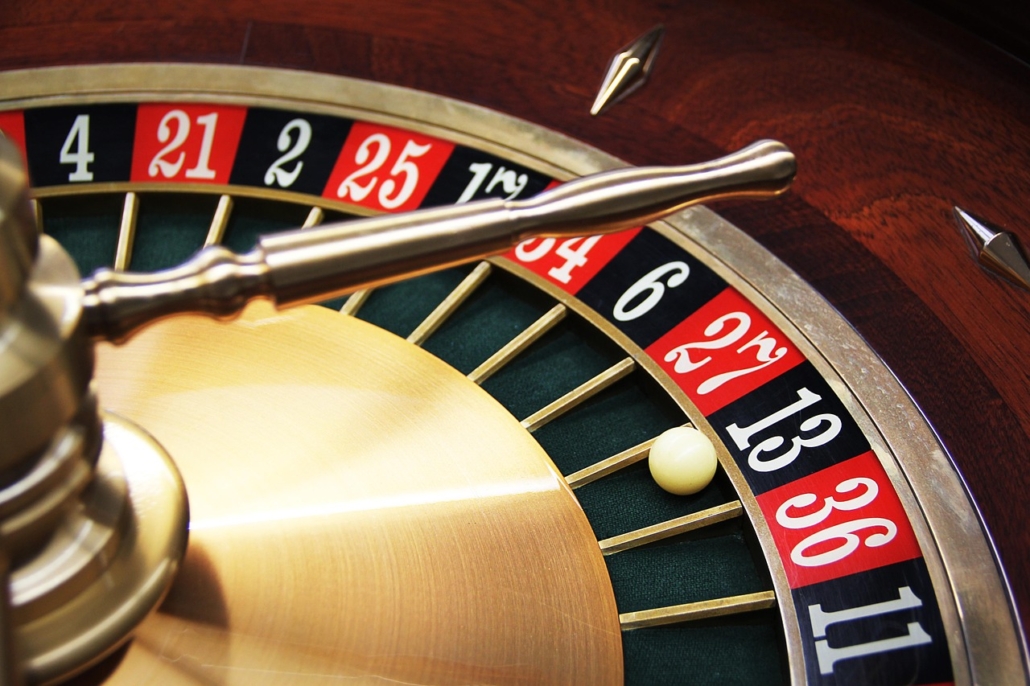
A common psychological trap that many casino players fall into is the gambler’s fallacy. This cognitive bias leads players to believe that past events can influence future outcomes in games of chance. For example, a player may think that if a roulette wheel has landed on red several times in a row, the next spin is more likely to land on black.
Research has shown that this line of thinking is fundamentally flawed, as each spin of the wheel is independent of the previous ones. Understanding this fallacy can help players make more rational decisions instead of relying on superstition.
For more details, you can read about the gambler’s fallacy on Psychology Today.
Risk Tolerance and Decision-Making
Every player has a unique level of risk tolerance, which heavily influences their gaming decisions. Understanding your own risk profile can lead to smarter betting strategies. Players with high-risk tolerance might thrive in games like blackjack or poker, where calculated risks can yield substantial rewards.
On the other hand, those with lower risk tolerance might prefer games with heavier elements of chance, such as slot machines. It’s essential to find a game that aligns with your comfort level to enhance your chances of winning.
Emotions and Gambling
Emotions can dramatically impact decision-making in gambling. Players who are angry, sad, or overly excited may not make the best choices. Emotional control is vital for maintaining a rational approach to gambling, as emotional states can cloud judgment and lead to impulsive bets or chasing losses.
To manage emotions effectively while gambling, consider these strategies:
- Take breaks to reset your emotional state.
- Set limits on how much you can lose in a session.
- Practice mindfulness techniques to stay grounded.
The Role of Cognitive Biases
Cognitive biases—systematic patterns of deviation from norm or rationality in judgment—play a significant role in gambling behaviors. Some common biases include:
- Confirmation Bias: Seeking information that confirms your beliefs while ignoring contradictory evidence.
- Overconfidence Bias: Overestimating one’s knowledge or ability to predict outcomes, leading to riskier bets.
- Availability Heuristic: Relying on immediate examples when evaluating a topic, which can skew perceptions of likelihood.
By recognizing and addressing these biases, players can improve their decision-making processes and focus on strategies that maximize their winning potential.
The Importance of Discipline
Discipline is key in casino gaming. Successful players often impose strict rules regarding bankroll management and betting strategies. Develop a personal gambling strategy that includes:
- Setting win and loss limits.
- Deciding in advance how much time and money you’re willing to spend.
- Avoiding impulsive decisions, especially after a win or loss.
Staying disciplined is crucial to preventing emotional decisions that can lead to significant losses.
Social Influence on Gambling Behavior

The social environment also influences gambling behavior. Group dynamics can lead to increased risk-taking, particularly in games like poker or sports betting. Observing others’ behaviors can instill confidence or trigger emotions, impacting your performance.
Being aware of these influences can help you maintain your composure and make rational decisions even in social settings.
Developing a Winning Mindset
The right mindset can significantly affect your success in casino games. Developing a winning mindset involves:
- Focusing on the process rather than just the outcome.
- Embracing resilience: understanding that losses are part of the game.
- Frequently self-reflecting on your strategies and performance.
A positive and growth-oriented mindset can help you improve your game and increase your likelihood of winning.
Conclusion
While luck is undoubtedly a factor in casino games, psychology plays a crucial role in shaping outcomes. By understanding cognitive biases, emotional influences, and the importance of discipline, players can improve their strategies and increase their odds of success. Moving beyond luck to embrace the psychological aspects of gambling might be the key to enhancing both enjoyment and winnings at the casino.
Frequently Asked Questions
What is gambling psychology?
Gambling psychology studies how psychological factors influence gambling behavior and decision-making.
What are common cognitive biases in gambling?
Common biases include the gambler’s fallacy and overconfidence bias.
How can I develop a winning mindset in gambling?
Focus on process, embrace resilience, and self-reflect on your strategies to foster a winning mindset.
{“@context”: “https://schema.org”, “@graph”: [{“@type”: “Article”, “headline”: “Understanding Gambling Psychology”, “description”: “In-depth look at gambling psychology, cognitive biases, and their impact on decision-making.”, “image”: [“/wp-content/uploads/2026/04/pixabay-1014946-1776351134755.jpg”], “author”: {“@type”: “Person”, “name”: “10BET”}, “publisher”: {“@type”: “Organization”, “name”: “10BET”, “logo”: {“@type”: “ImageObject”, “url”: “YOUR_LOGO_URL”}}, “datePublished”: “2023-01-01”}, {“@type”: “FAQPage”, “mainEntity”: [{“@type”: “Question”, “name”: “What is gambling psychology?”, “acceptedAnswer”: {“@type”: “Answer”, “text”: “Gambling psychology studies how psychological factors influence gambling behavior and decision-making.”}}, {“@type”: “Question”, “name”: “What are common cognitive biases in gambling?”, “acceptedAnswer”: {“@type”: “Answer”, “text”: “Common biases include the gambleru2019s fallacy and overconfidence bias.”}}, {“@type”: “Question”, “name”: “How can I develop a winning mindset in gambling?”, “acceptedAnswer”: {“@type”: “Answer”, “text”: “Focus on process, embrace resilience, and self-reflect on your strategies to foster a winning mindset.”}}]}]}
Related guide: Play now

