


Pachinko and Japanese Culture – Pachinko and Japanese Cultural Norms: Exploring Traditions in Gambling Settings | 10BET
Introduction
Gambling has a long and complex history in Japan, deeply defined by the rhythmic clatter of the pachinko parlor. Gambling has a long and complex history in Japan, deeply defined by the rhythmic clatter of the pachinko parlor. While Japan’s relationship with gambling is often scrutinized, it is uniquely shaped by the cultural phenomenon of pachinko, which blends entertainment with intense social ritual. This article aims to explore the cultural norms that shape gambling settings in Japan, considering how the massive popularity of pachinko influences historical context, legal constraints, social perceptions, and modern trends.
Historical Context of Gambling in Japan
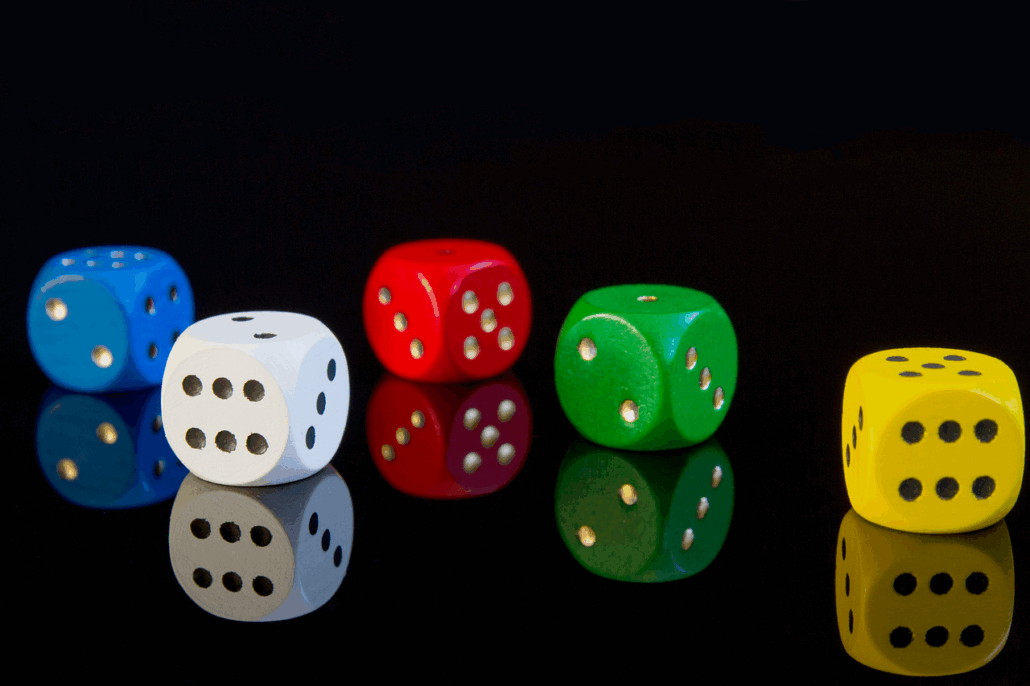
The roots of gambling in Japan can be traced back to ancient times. Various forms of gambling have existed, from games involving dice to card games. It’s crucial to understand how these activities evolved within the socio-political landscape of Japan.
- Heian Period: Early forms of gambling appeared, often intertwined with festivals and religious events.
- Edo Period: Gambling became more organized, giving rise to popular games like Hanafuda.
- Post-War Era: The establishment of regulations led to the rise of pachinko, which remains a significant aspect of Japanese gambling culture.
Legal Framework Surrounding Gambling
Japan has one of the strictest legal frameworks regarding gambling in the world. Most forms, including traditional casinos, were prohibited until the recent introduction of integrated resorts. Understanding the implications of these laws can shed light on the underground gambling scene that persists.
- The Law on Control and Improvement of Amusement Business regulates several gambling forms.
- Pachinko parlors operate in a grey area, characterized as entertainment but functioning similarly to gambling venues.
- The recent legalization of casinos has sparked debates on potential addiction and social impact.
Cultural Attitudes Towards Gambling
Japanese society exhibits mixed feelings towards gambling. While some view it as a recreational activity, others regard it with skepticism due to potential negative impacts. Key factors include:
- Shame and Stigma: Gambling can elicit feelings of shame due to societal expectations surrounding leisure activities.
- Social Responsibility: There is a strong emphasis on community welfare, which often clashes with gambling activities.
Gambling Etiquette in Japan
Engaging in gambling settings in Japan requires adherence to specific social etiquettes. Understanding these norms can enhance the experience and demonstrate respect for the culture:
- Quietness: Maintaining a calm demeanor is important, especially in pachinko parlors.
- Respect for Others: Always show respect towards fellow players and staff.
Influence of Modern Media and Technology
The rise of online gaming and mobile platforms has changed how gambling is perceived and accessed in Japan. While traditional forms remain popular, technological advancements provide new opportunities and challenges:
- Online Casinos and Mobile Apps: Increasing access to international gambling platforms, often bypassing local regulations.
- Social Media’s Role: Topics around gambling are increasingly discussed on social media, shaping perceptions and attitudes.
The Future of Gambling in Japanese Culture

As Japan continues to navigate its position on gambling, future trends may evolve based on changing cultural attitudes, legal adjustments, and global influences. Important aspects to monitor include:
- Integrated Resorts: Potential development and their impact on tourism and local economies.
- Regulatory Changes: Possible amendments to current laws that could either loosen or tighten gambling restrictions.
Conclusion
Japanese cultural norms surrounding gambling are multifaceted, reflecting both deep-rooted historical traditions and modern societal dynamics. As Japan moves forward, understanding these norms will be essential for both locals and visitors engaging in gambling settings.
Frequently Asked Questions
What is pachinko?
Pachinko is a popular Japanese game that combines elements of gambling and entertainment.
How does Japanese culture view gambling?
Japanese society has mixed feelings about gambling, combining recreational views with cultural stigmas.
What are the legalities of gambling in Japan?
Japan has strict gambling laws, mostly prohibiting traditional casinos until recent changes.
{“@context”: “https://schema.org”, “@graph”: [{“@type”: “Article”, “headline”: “Pachinko and Gambling Culture in Japan”, “image”: “/wp-content/uploads/2026/04/pixabay-5598375-1776348548622.png”, “author”: {“@type”: “Person”, “name”: “Author Name”}, “datePublished”: “2023-10-01”, “articleBody”: “Gambling has a long and complex history in Japan, deeply defined by the rhythmic clatter of the pachinko parlor…”}, {“@type”: “FAQPage”, “mainEntity”: [{“@type”: “Question”, “name”: “What is pachinko?”, “acceptedAnswer”: {“@type”: “Answer”, “text”: “Pachinko is a popular Japanese game that combines elements of gambling and entertainment.”}}, {“@type”: “Question”, “name”: “How does Japanese culture view gambling?”, “acceptedAnswer”: {“@type”: “Answer”, “text”: “Japanese society has mixed feelings about gambling, combining recreational views with cultural stigmas.”}}, {“@type”: “Question”, “name”: “What are the legalities of gambling in Japan?”, “acceptedAnswer”: {“@type”: “Answer”, “text”: “Japan has strict gambling laws, mostly prohibiting traditional casinos until recent changes.”}}]}]}
Related guide: Play now

