


Board Games and Dice Evolution – From Board Games to Dice Games: A Historical Evolution | 10BET
Introduction
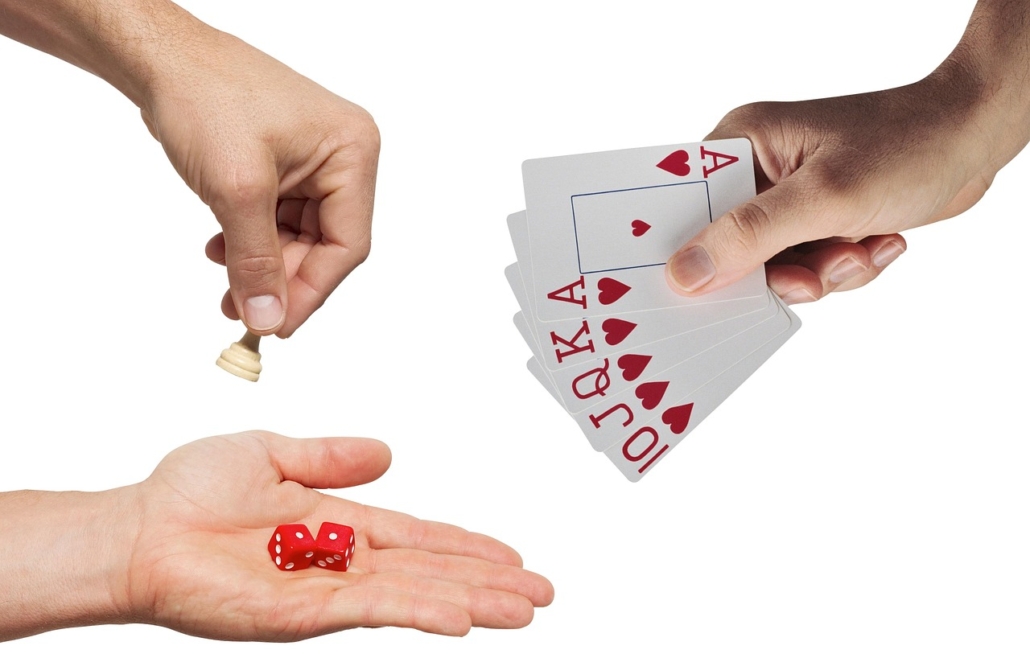
The interplay between classic board games and modern casino entertainment is a fascinating journey through history. The interplay between classic board games and modern casino entertainment is a fascinating journey through history, showing how the roll of the cube has evolved from tabletop play to high-stakes gambling. While board games provide a structured environment for strategy, the introduction of randomness through dice games has transformed simple chance into the adrenaline-fueled excitement found on the casino floor. This article explores the historical connections between traditional tabletop play and the rise of professional dice games, revealing their mutual evolution and cultural significance.
The Origins of Board Games and Dice
Board games and dice have ancient roots, often intertwined in the rituals and leisure activities of various civilizations. The earliest known board game, Senet, dates back to ancient Egypt around 3100 BC, featuring a grid-like board and possibly dice-like objects for gameplay. Similarly, archeological findings suggest that dice were used as early as 3000 BC in Mesopotamia. These artifacts indicate that both board games and dice were integral to social and cultural practices in ancient societies.
Key Historical Discoveries
- Senet: Ancient Egyptian Board Game
- Mesopotamian Dice: Evidence from Archaeological Sites
- Game of Ur: An Early Example of Dice Use
The Role of Chance in Gaming
Dice introduce an element of chance that can significantly affect the outcome of board games. The randomness that dice provide creates uncertainty, making games exciting and unpredictable. Various cultures have embraced this element, leading to the development of numerous games where dice play a central role. For example, games like Backgammon and Craps highlight how the roll of the dice can change the course of the game.
Cultural Significance of Dice in Board Games
Dice have transcended their role as mere randomizers to become cultural symbols in many societies. In certain cultures, dice are associated with fate and fortune, often used in rituals or divination practices. Understanding these perspectives adds depth to the appreciation of board games that incorporate dice, highlighting their broader significance in social and cultural contexts.
Examples of Dice-Centric Board Games
- Backgammon
- Sorry!
- Monopoly
The Evolution of Dice Materials
Historically, dice have been crafted from various materials, reflecting the technological and cultural advances of their time. From ancient bones and wood to modern plastic and resin, the material of dice has evolved significantly. Each material offers unique aesthetic qualities and influences the tactile experience of gameplay.
Modern Board Games and the Integration of Dice
Contemporary board games have seen a resurgence in the popularity of dice. Modern designers incorporate dice in innovative ways to enhance gameplay mechanics, themes, and player engagement. Games such as King of Tokyo and Roll for It! showcase the fun and strategic depth that dice can bring to contemporary game design.
Popular Modern Games Featuring Dice
- King of Tokyo
- Dice Forge
- Yahtzee
The Psychological Aspect of Dice Rolling
The act of rolling dice can evoke varying psychological responses from players, ranging from excitement to anxiety. This phenomenon can influence decision-making and strategies in board games. The thrill of chance permeates gaming experiences, making the role of dice not only functional but also emotional.

Collectible Dice and Gaming Culture
The rise of tabletop gaming has led to the creation of collectible dice, enhancing the cultural significance of dice beyond their functional use in games. Enthusiasts often seek unique or artisan-crafted dice, transforming dice into a form of personal expression and identity within gaming communities.
The Future of Board Games and Dice
Looking ahead, the connection between board games and dice remains strong, as designers continue to explore innovative ways to incorporate chance into gameplay. With the advent of technology, digital dice and game platforms may redefine traditional gaming experiences while preserving the essential connections to their historic roots.
Conclusion
Exploring the historical linkage between board games and dice reveals a rich tapestry of culture, chance, and human interaction. As we continue to engage with these forms of entertainment, understanding their shared history deepens our appreciation for the games we play today.
For more on the history of dice, check out Britannica, and learn about board games from History.com.
Frequently Asked Questions
What are the origins of board games?
Board games can be traced back to ancient civilizations, with the earliest known game, Senet, dating back to ancient Egypt.
How have dice influenced modern gaming?
Dice introduce randomness and excitement, affecting game dynamics in many board games.
What materials were traditionally used for dice?
Traditionally, dice have been made from bones, wood, and other materials, evolving to modern plastics.
{“@context”: “https://schema.org”, “@graph”: [{“@type”: “Article”, “headline”: “From Board Games to Dice Games: A Historical Evolution”, “author”: “10BET”, “publisher”: {“@type”: “Organization”, “name”: “10BET”}, “datePublished”: “2023-10-01”, “image”: “/wp-content/uploads/2026/04/pixabay-148124-1776353141465.jpg”}, {“@type”: “FAQPage”, “mainEntity”: [{“@type”: “Question”, “name”: “What are the origins of board games?”, “acceptedAnswer”: {“@type”: “Answer”, “text”: “Board games can be traced back to ancient civilizations, with the earliest known game, Senet, dating back to ancient Egypt.”}}, {“@type”: “Question”, “name”: “How have dice influenced modern gaming?”, “acceptedAnswer”: {“@type”: “Answer”, “text”: “Dice introduce randomness and excitement, affecting game dynamics in many board games.”}}, {“@type”: “Question”, “name”: “What materials were traditionally used for dice?”, “acceptedAnswer”: {“@type”: “Answer”, “text”: “Traditionally, dice have been made from bones, wood, and other materials, evolving to modern plastics.”}}]}]}
Related guide: Play now

